WENDA Council Policy Brief: Strengthening Education Systems in West Nile
Executive Summary
The West Nile Region, encompassing 15 education districts including Arua City, Nebbi and Koboko Municipal Councils, and 12 districts (Adjumani, Arua, Koboko, Maracha, Moyo, Nebbi, Madi Okollo, Obongi, Pakwach, Terego, Yumbe, and Zombo), grapples with profound educational challenges. These include limited access to schools, low attendance rates across levels, inadequate infrastructure, understaffing, teacher competency gaps, high dropout rates, and declining learning outcomes, as evidenced by poor Primary Leaving Examination (PLE) performance in 2024.
With only 38.7% of children having schools within 5 km, net attendance ratios of 63.5% at primary and 9.9% at secondary, and gender disparities favoring boys, the region risks perpetuating poverty and inequality. This policy brief, prepared for the West Nile Development Agency (WENDA) Executive Council, highlights key challenges, analyzes recent PLE data, and proposes priorities for resilient education systems.
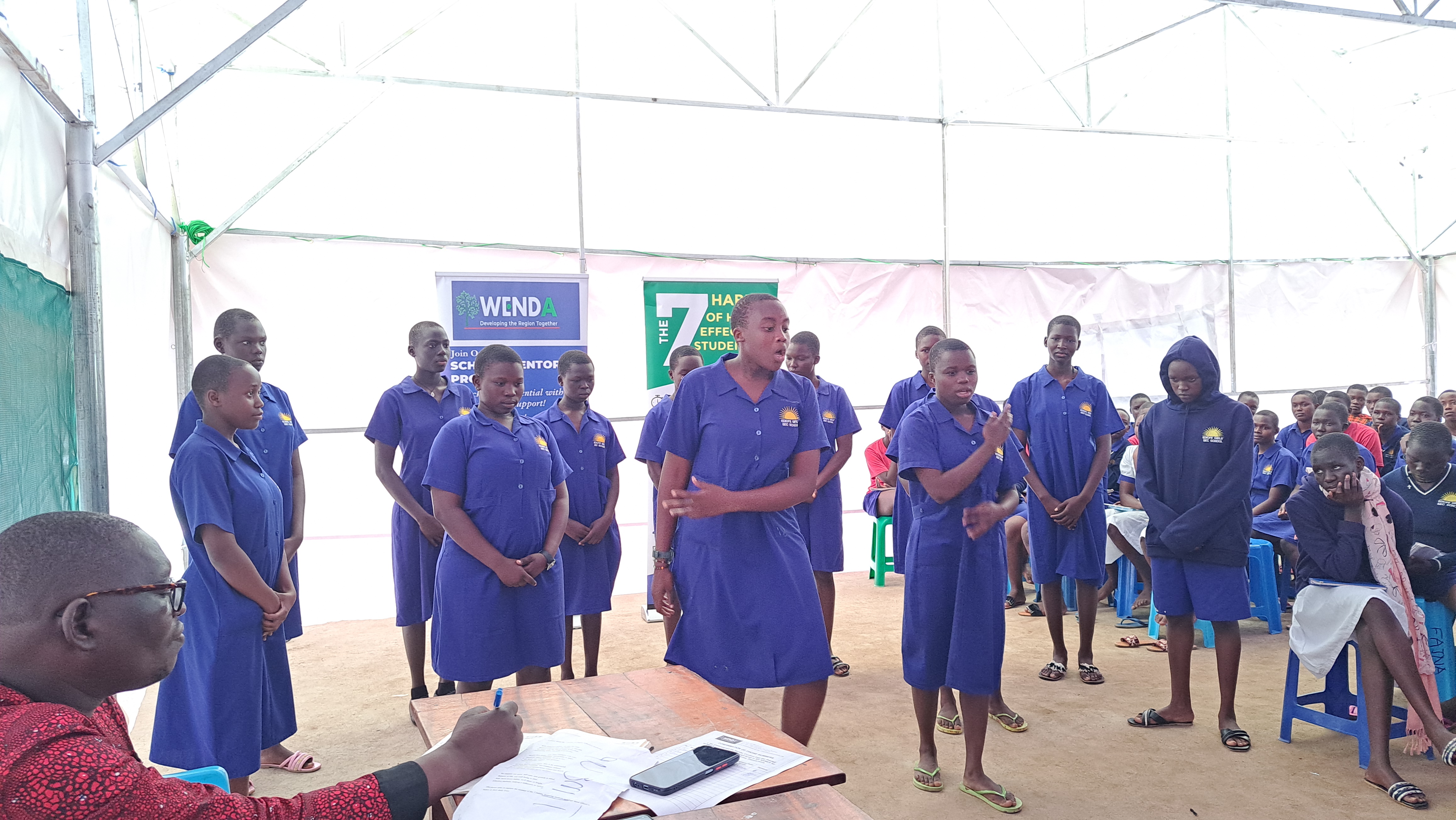
Education in West Nile - Addressing access and quality challenges
Background and Context
The West Nile Region's education sector serves a diverse, predominantly rural population facing geographic, socioeconomic, and cultural barriers. Education is foundational to development, enabling improved living conditions and quality of life shared across generations without compromising future needs. However, the region experiences limited community engagement, cultural priorities overshadowing schooling, and external factors like poverty and child labor exacerbating inequities.
With 35% of sub-counties lacking secondary schools and only 1.6% of schools connected to electricity, technology integration remains minimal, hindering modern teaching methods. These issues are compounded by high refugee inflows and border proximity, straining resources.
Key Challenges in the Education Sector
1. Access and Attendance
- Limited proximity to schools: Only 38.7% of children have access to schools within 5 km, particularly in rural areas
- Early Childhood Education (ECE): Just 20.7% of children aged 3-5 attend nursery, leaving 80% out of foundational education
- Transition rates: Only 45% of learners proceed to Primary One after nursery, impacting primary cycle outcomes
- Net attendance ratios: 63.5% at primary level and a critically low 9.9% at secondary level
- Secondary coverage: 35% of sub-counties have no secondary schools, limiting post-primary opportunities
- Youth NEET: These statistics explain the 60% youth Not in Education, Employment or Training in the region
2. Infrastructure and Resources
- Low electricity usage: Only 1.6% of schools are connected, restricting ICT access (only 6% of pupils can use ICT)
- Inadequate facilities: High pupil-teacher ratio (67:1 vs. national 53:1), pupil-toilet stance ratios (boys 80:1, girls 81:1 vs. national 40:1), and pupil-classroom ratio (105:1)
- Resource shortages: Shortages in desks, textbooks, learning materials, teacher accommodation, and latrines
3. Human Resources and Management
- Leadership gaps: Low-quality School Management Committees; need for minimum academic requirements for members
- Understaffing: Particularly in secondary schools due to wage shortfalls
- Teacher competencies: Insufficient preparation of schemes, lesson plans, assessments, and syllabus coverage; issues with absenteeism, late coming, and unprofessional behavior
- School feeding: Challenges in implementing school feeding programs, contributing to low attendance and retention
4. Equity and Outcomes
- Gender disparities: Harmful norms result in only 6 girls enrolled in secondary for every 10 boys
- High dropout rates: Driven by poverty, child labor, and early marriages; e.g., Yumbe District has over 299,000 out-of-school learners, a trend that is region-wide
- Declining learning achievements: Steady drop in PLE performance, with districts like Obongi and Madi Okollo among national worst performers; failures exceed Division One scores
- Low enrollment in higher institutions: Low enrollment on merit, reflecting poor foundational outcomes
PLE Performance Analysis (2024)
The 2024 PLE results underscore regional underperformance, with West Nile achieving only 3.1% in Division 1 (vs. national 11.7%) and higher rates in lower divisions and failures. Total candidates: 43,809.
Regional Performance Summary:
- Division 1: 3.1% (National: 11.7%)
- Division 2: 34.3% (National: 45.6%)
- Division 3: 30.6% (National: 21.3%)
- Division 4: 15.9% (National: 10.9%)
- Division U: 13.5% (National: 10.6%)
- Division X (Failures): 2.2% (National: 1.7%)
Priorities and Policy Recommendations
To address these challenges, WENDA Executive Council should prioritize collaborative, equity-focused interventions:
- Consolidate NGO and Community Efforts: Align non-governmental organizations and community-led projects to enhance access, quality, and equity in education
- Establish Advocacy Platforms: Create a West Nile Education Forum as a collective voice for regional issues, seeking funding to amplify advocacy
- Sensitization and Mobilization: Conduct intensive campaigns to encourage parents to enroll children and mobilize out-of-school learners back to education
- Invest in Early Childhood Education: Advocate for amending Section 10(2a) of relevant legislation to allow public provision of pre-primary education, currently limited to private agencies
- Enforce Enrollment Mandates: Local governments should utilize Section 51(1) to penalize non-enrollment in Universal Primary Education (UPE) and Universal Secondary Education (USE)
- Standardize Parental Contributions: Through WENDA, districts, cities, and municipalities should harmonize parents' roles in education service provision
- Teacher Development: Provide continuous professional development, including ICT training, benchmarking with high-performing districts, and capacity-building in curriculum management
- Improve Teacher Welfare: Advocate for better accommodations via community-led initiatives, where locals supply materials and donors provide factory inputs
- Infrastructure Investments: Prioritize classroom construction/renovation, desk supplies, latrine improvements, and electricity/ICT connections to meet national ratios
These recommendations leverage existing legal frameworks and partnerships to build resilient systems, reducing disparities and improving outcomes.
Conclusion
The West Nile Region's education sector demands urgent, coordinated reforms to reverse declining trends and ensure equitable access for all, particularly girls and rural children. By implementing these priorities, WENDA can foster a skilled, productive population, breaking cycles of poverty and supporting sustainable development. The Executive Council should mobilize resources, engage stakeholders, and monitor progress through regional indicators, aiming for measurable improvements by FY 2027/28.