Enhancing Planning and Budgeting in West Nile Aligned with NDP IV
Executive Summary
This policy brief examines the state of planning and budgeting in the West Nile region, aligned with Uganda's National Development Plan IV (NDP IV) for FY 2025/2026-2029/2030. Drawing from constitutional mandates and legal frameworks, it highlights the region's untapped potentials in agriculture, minerals, culture, and strategic location, while addressing critical challenges such as staffing shortages, inadequate financing, low citizen participation, and socio-economic disparities.
West Nile, with 8.4% of Uganda's population, receives only 7.9% of the national local government budget, exacerbating issues like high subsistence economy reliance (53.5%) and low literacy rates (59.1%). Recommendations focus on evidence-based planning, public-private partnerships (PPPs), job creation, citizen engagement, resource efficiency, mineral exploitation, and risk management to drive sustainable industrialization, inclusive growth, and socio-economic transformation.
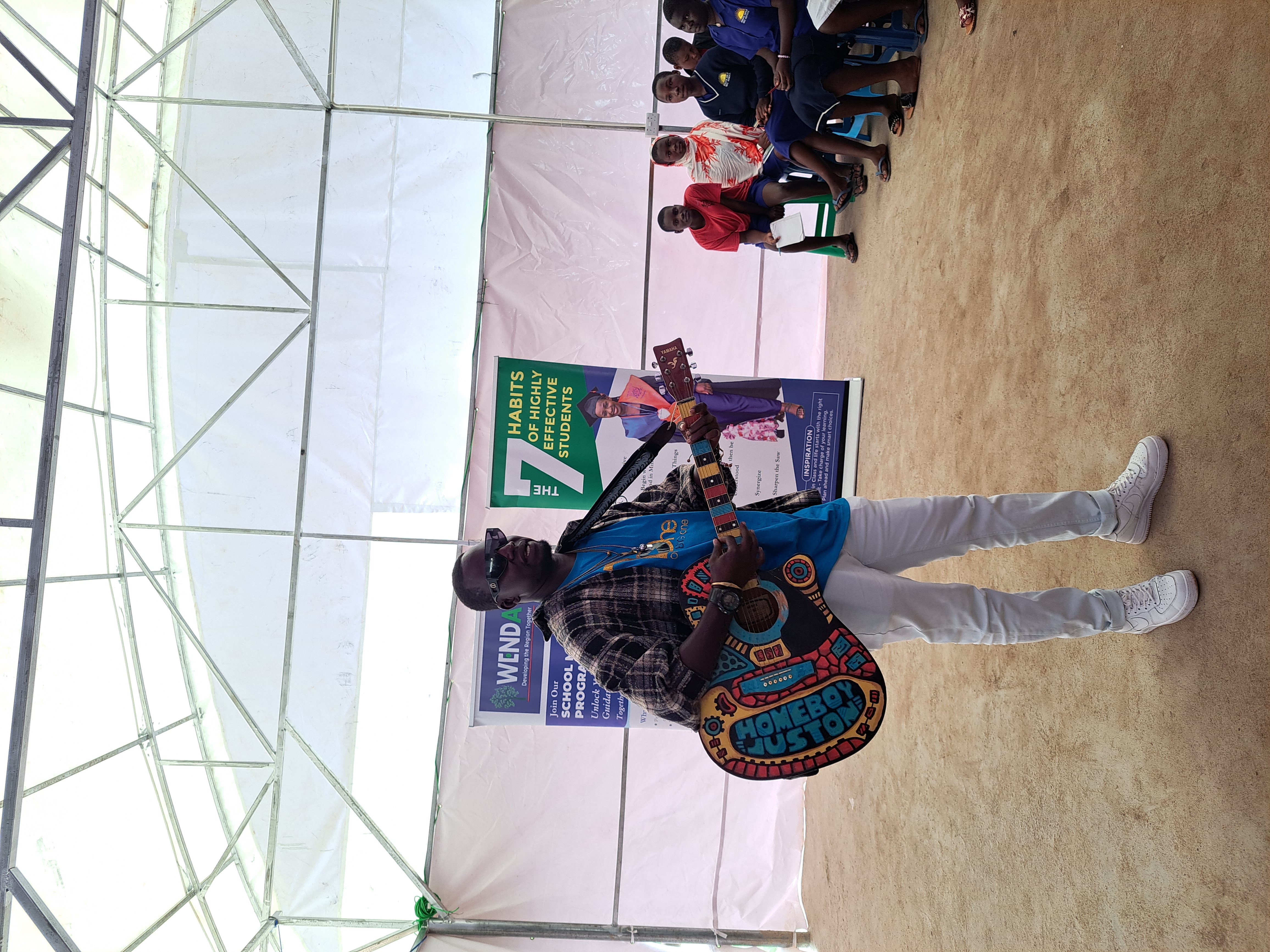
WENDA regional planning and coordination meeting
Background and Legal Framework
Uganda's planning and budgeting processes are grounded in a robust legal framework that emphasizes integrated, decentralized development. Article 125 of the 1995 Constitution establishes the National Planning Authority (NPA) to produce comprehensive national plans, as reinforced by Act No. 15 of 2002. Decentralization is enshrined in Article 176(2b), promoting citizen participation and democratic decision-making across local government levels.
Article 190 mandates District Councils to prepare integrated development plans incorporating lower local governments (LLGs) for submission to the NPA. The Local Government Act (Cap 138, Section 35(1)) designates District Councils as planning authorities, with technical committees coordinating sectoral plans from LLGs.
NDP IV, under the theme "Sustainable Industrialization for Inclusive Growth, Employment, and Wealth Creation," aims to achieve higher household incomes, full economic monetization, and employment. It targets double-digit growth through investments in competitiveness and science, technology, and innovation (STI) in key areas: full monetization, value addition and industrialization, agriculture, tourism, mineral-based industries, ICT, and finance.
Potentials and Opportunities in West Nile
West Nile possesses significant assets that align with NDP IV's growth areas, positioning it for accelerated development:
- Agriculture: High potential due to fertile lands, River Nile, and other water bodies enabling irrigation and large-scale farming
- Minerals and Industrialization: Abundant minerals to drive manufacturing and value addition
- Cultural and Ethnic Diversity: Rich heritage supporting tourism development
- Refugee Population: Offers a potential market for goods and services
- Strategic Location: Borders international trade routes, facilitating exports and regional integration
- Water Resources: Supports agro-processing, fisheries, and energy generation
These opportunities can be harnessed to advance NDP IV objectives, contributing to a 10-fold economic growth by 2040.
Key Challenges in Planning and Budgeting
Despite legal mandates and opportunities, West Nile faces systemic barriers in planning and budgeting, hindering alignment with NDP IV.
Human Resource Constraints
- Most local governments suffer from severe staffing shortages in planning units
- Only Adjumani (4 staff) and Obongi (3 staff) have multiple personnel
- Except for Adjumani and Obongi, no Local Governments have a substantive head of department
- This limits capacity for mid-term reviews, plan implementation, and NPA coordination activities
Financial and Resource Limitations
- Inadequate Central Government Funding: In FY 2026/2027, West Nile's 15 LGs receive UGX 429.5 billion (7.9% of the national LG total), down from UGX 522.8 billion in FY 2023/2024
- Low Local Revenue: FY 2023/2024 local revenue was UGX 19.83 billion (3.9%)
- Infrastructure Deficits: Poor roads, electricity (only 4.1% households on grid vs. national 25.3%), and poor telecommunications connectivity
Socio-Economic and Demographic Challenges
West Nile lags national averages in key indicators:
- Household Size: 5 (vs. national 4.2)
- Literacy Rate: 59.1% (vs. national 74%)
- Subsistence Economy Households: 53.5%
- Youth NEET (18-30): 60.6% vs. 50.9% national
- Primary School-Age Out-of-School: 35.4%
- Population Growth Rate: 3.9% (second highest)
Policy Recommendations
To enhance planning and budgeting for LGDP IV (FY 2025/2026-2029/2030), the following recommendations are proposed:
- Evidence-Based Planning: Develop comprehensive, data-driven issue papers for each NDP IV program. Address data gaps by investing in local indicators and off-budget tracking
- Economic Entity Transformation: LG Councils should position jurisdictions as economic entities through PPPs, identifying private sector collaborations in agriculture, tourism, and minerals
- Job-Creating Interventions: Prioritize programs with high employment potential, such as value addition in agriculture and mineral processing, targeting youth (60.6% NEET)
- Citizen Capacity Building: Enhance community participation in planning cycles via education campaigns to shift mindsets and improve literacy
- Resource Efficiency: Adopt allocative mechanisms for optimal use of limited funds, including lobbying for equitable central transfers based on population and needs
- Mineral and Petroleum Acceleration: Expedite extractive industry development through streamlined regulations and investments
- Risk Management Integration: Dedicate resources to risk chapters in LGDPs, addressing population growth, infrastructure gaps, and health vulnerabilities
Conclusion
Aligning West Nile's planning and budgeting with NDP IV requires urgent action to overcome challenges and capitalize on opportunities. By implementing these recommendations, the region can achieve sustainable growth, reduce disparities, and contribute to Uganda's vision of inclusive wealth creation. The West Nile Development Association (WENDA) should advocate for increased NPA support in capacity building and equitable government resource allocation to ensure effective LGDP IV rollout.